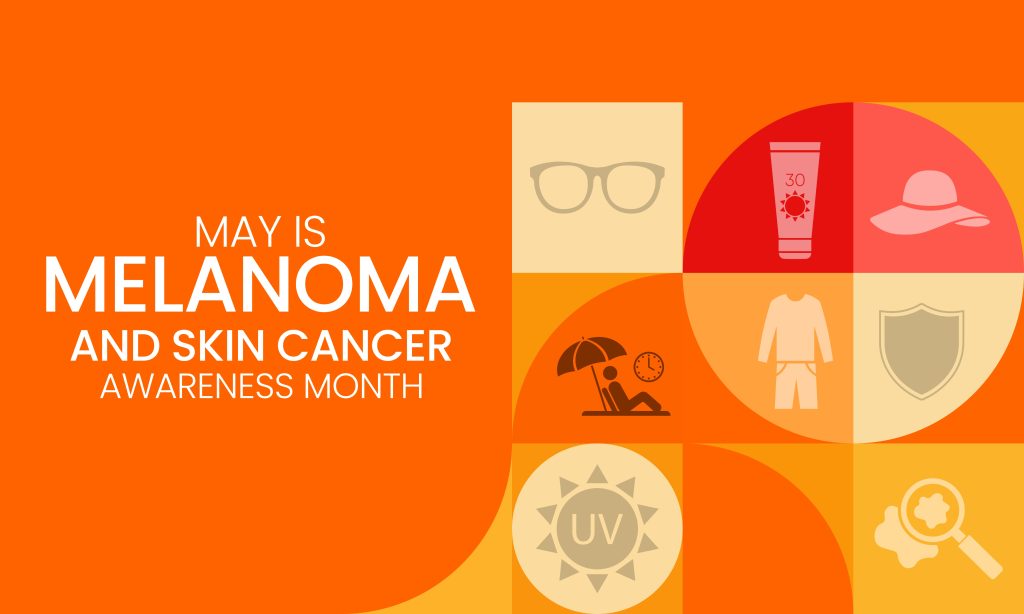
Melanoma & Skin Cancer Awareness Month is the perfect time to refocus on one of the most important aspects of your overall health: your skin. Living in Central Florida means enjoying sunshine year-round, but it also means increased exposure to ultraviolet (UV) radiation, one of the leading causes of skin cancer.
As dermatology professionals, we care for patients of all ages and regularly treat skin cancer across each of our office locations. All of our providers agree that with the right habits, education, and proactive care, you can significantly reduce your risk of skin cancer while still enjoying the outdoors.
Why Skin Cancer Awareness Matters
Skin cancer is the most common form of cancer in the United States, affecting millions of people each year. While that statistic may sound alarming, there’s also an encouraging truth: skin cancer is highly treatable when detected early.
That’s why awareness is so important. It’s not just about reacting to a problem; it’s about building daily habits that protect your skin and staying vigilant about changes that could indicate something potentially more serious.
Comprehensive Sun Protection
Sun protection is not just for beach days. It’s an everyday necessity, especially here in Florida.
To effectively protect your skin, we recommend a layered approach:
- Apply a broad-spectrum sunscreen (SPF 30 or higher) every day
- Reapply every two hours, or more frequently if swimming or sweating
- Seek shade during peak sun hours (10 a.m. to 4 p.m.)
- Wear protective clothing, including hats and sunglasses
- Say no to tanning, especially tanning beds
Consistency is key. Even short periods of time unprotected in the sun, like running errands or driving, can add up over time.
The ABCDEs of Melanoma: What to Watch For
Early detection can save lives, and one of the easiest ways to monitor your skin is by remembering the ABCDEs of melanoma:
- A – Asymmetry (one half doesn’t match the other)
- B – Border (irregular, blurred, or jagged edges)
- C – Color (uneven shades of brown, black, red, or white)
- D – Diameter (larger than a pencil eraser)
- E – Evolving (any noticeable change in size, shape, or behavior)
- Changes in Existing Moles – Watch for changes in size, shape, or color to the moles you already have.
- Sores That Don’t Heal – Make note of any spot that’s crusty, bleeding, or won’t heal after a few weeks.
If you notice a suspicious or unusual spot on someone, encourage them to consult a dermatologist. Basically, in short, if you see something, say something.
How to Perform a Self-Skin Exam
Regular self-exams are one of the most powerful tools you have for early detection.
We recommend performing a self-skin exam once a month. It only takes a few minutes and can make a big difference.
Step-by-step guide:
- Stand in front of a full-length mirror in a well-lit room
- Check your face, ears, neck, chest, and abdomen
- Examine your arms, including underarms and hands
- Look at your legs, feet, and between your toes
- Use a hand mirror to check your back, scalp, and other hard-to-see areas
Don’t forget areas that are often overlooked, like the backs of your legs, behind the ears, and the bottoms of your feet.
The Importance of Annual Skin Exams
While self-exams are essential, they don’t replace a professional evaluation.
We recommend scheduling a full-body skin exam once a year with a licensed dermatology provider. These exams allow us to:
- Identify suspicious moles or growths early
- Monitor changes over time
- Examine areas that are difficult to see on your own
- Provide personalized recommendations based on your skin type and history
If you have a history of skin cancer or increased risk factors, more frequent visits may be recommended.
Sunscreen Tips
It’s also important to remember that even the most conscientious people can overlook certain areas when applying sunscreen. Here are the top six areas to pay extra attention to when you wear sunscreen.
- Hairline & Scalp. We often think that our hair is a natural sun protectant, but the truth is, the sun can penetrate well beyond your strands. Especially if you have thinning hair, wide parts or an exposed scalp, your head can burn more easily. You can use spray sunscreen or wear a wide-brimmed hat to help protect your scalp and hairline from the sun.
- Lips. The lips are often one of the easiest spots to miss. That’s because many people don’t put sunscreen on them. To protect your lips, use lip balm with SPF and remember to apply every two hours. Be sure to avoid shiny lip balms and gloss without SPF, because they can end up promoting sun damage instead of protecting from it.
- Hands & Feet. Hands, fingers (and nails), feet, and toes (and nails) are typically left out when applying sunscreen. We often apply sunscreen to our arms and legs but forget to keep moving down to the hands and feet. Your fingers and toes as well as tops and bottoms of hands and feet are sensitive areas that also need sun protection and are vulnerable to skin cancer. Make sure you cover all exposed skin including hands and feet when applying sun protection.
- Eyes & Eyelids. The inner corners of the eye, the bridge of the nose, and the eyelids are areas that are vulnerable to skin cancer because many people don’t think of putting sunscreen there. It is recommended that you apply mineral sunscreen to avoid becoming irritated.
- Ears. Your ears should be included in your sunscreen regimen. The tops and backs of your ears are among the most common sites for basal and squamous cell carcinomas. Pay special attention if your ears are exposed to the sun due to wearing your hair up or having shorter hair. A hat that covers your ears is a great way to add extra daily sun protection.
- Underarms & Sides of Torso. It can be easy to skip sunscreen on these zones since we assume they are naturally shielded by the sun from our own bodies. But when we wear sleeveless tops and move our arms around, we allow these parts of our skin to be exposed to the sun. The best way to combat this is to wear sunscreen on the sides of your torso and underarms just like you would the rest of your body.
Proactive Care Makes All the Difference
This Melanoma & Skin Cancer Awareness Month, we encourage you to take a moment to evaluate your habits. Are you applying sunscreen daily? Reapplying when needed? Checking your skin regularly? These small steps can make a lasting difference.
Stay sun safe, stay proactive, and don’t wait to get checked. Schedule your annual skin exam with our office today! At Florida Dermatology and Skin Cancer Centers, we’re here to help keep your skin healthy and protected year-round.
About Us
FLDSCC’s team of providers are experts in diagnosing and treating skin cancers; skin conditions and diseases such as eczema, rosacea, dry skin, rashes, and warts; and chronic skin diseases and infections, while simultaneously tackling aging skin, wound care, and a multitude of other skin, hair, and nail concerns.
Several FLDSCC providers are fellowship-trained in Mohs micrographic surgery, an effective state-of-the-art treatment for most types of skin cancers. Mohs surgery involves minimal discomfort and encourages the greatest preservation of healthy tissue, which means less risk of scarring and superior cosmetic results.
FLDSCC has many convenient locations throughout the state. For more information, visit www.fldscc.com, or call (855) FLD-SKIN.