It’s no secret that sun protection is extremely important. But how often are you scheduling a regular skin exam? Do you wait until a problem is already visible, or are you diligent about keeping your skin a priority? As dermatologists, one of the most impactful conversations we have with patients is about the value of skin exams. These checks help catch skin cancer early, build awareness of your skin, recognize changes over time, and empower you to take control of your skin health.
Let’s talk about why professional skin exams matter, what they involve, how often you should have them, and how to conduct self-exams safely between appointments.
Skin Cancer Is Treatable When Found Early
Skin cancer is one of the most common cancers worldwide. Many skin cancers begin as small, subtle changes that are easy to miss unless someone is specifically looking for them.
Fortunately, when skin cancer is detected early, before it has a chance to spread, it is highly treatable. Regular skin exams by trained dermatological professionals significantly increase the likelihood of detecting skin cancer in its earliest, most curable stages.
Melanoma, the most serious form of skin cancer, can develop quickly and may not always be obvious to the untrained eye. Other forms, like basal cell carcinoma and squamous cell carcinoma, are more common and tend to grow more slowly, but still require prompt treatment. If left untreated, skin cancer can progress to the point that it is disfiguring and even life threatening.
Early detection is crucial for successful treatment of skin cancer. This is where regular professional skin exams come in.
What Happens During a Professional Skin Exam?
If you’ve never had a full skin exam before, you might imagine it’s just a quick glance at a few moles or spots on your arms or face. In reality, a professional skin exam is much more thorough than that. It’s a careful comprehensive evaluation of your skin performed by someone trained to recognize early signs of skin cancer and other skin conditions.
The goal of the exam is simple: to look for anything new, changing, or unusual. This includes even the subtle things that are easy to overlook on your own. Most skin exams are straightforward and quick, but they can play an important role in protecting your skin in the long run.
Here’s what you can typically expect during a dermatology skin exam:
It Starts With a Conversation
Before the exam begins, your dermatologist will usually start by asking a few questions about your skin and your health history. This helps us understand your individual risk factors and gives you a chance to point out any spots you may already be concerned about.
Some common questions might include:
- Have you noticed any new moles or spots recently?
- Have any existing spots changed in size, shape, or color?
- Do you have a personal or family history of skin cancer?
- Have you had significant sun exposure or sunburns in the past?
- Do you regularly wear sunscreen or other sun protection?
- Have you experienced itching, bleeding, tenderness, or slow-healing areas on your skin?
These conversations help guide the exam and make sure nothing important gets overlooked.
A Head-to-Toe Skin Check
Next comes the actual skin exam. You’ll typically be asked to undress to your comfort level, and a gown or drape will always be provided so you feel comfortable throughout the process.
Your dermatologist will then carefully examine your skin from head to toe. This includes areas people often forget to check themselves, such as the scalp, behind the ears, and the bottoms of the feet.
The exam usually includes looking at:
- Your face, neck, and ears
- Your scalp
- Your chest and abdomen
- Your back and shoulders
- Your arms, hands, and fingernails
- Your legs, feet, and toenails
- Occasionally the groin area, when appropriate
While many people associate skin exams with checking moles, dermatologists are actually looking at all aspects of the skin including bumps, patches, rough areas, discoloration, or spots that simply look different from the surrounding skin.
Monitoring and Follow-Up
In some cases, a spot may not need treatment right away but may be worth keeping an eye on. Your dermatologist may document its appearance or location, sometimes even taking photographs so it can be compared during future visits. Monitoring changes over time is an important part of skin cancer detection.
If a spot appears suspicious, a biopsy may be recommended. This is a quick, minor procedure performed in the office where a small sample of skin is removed and sent to a lab for analysis.
Overall, a professional skin exam is thorough but straightforward. Most patients are surprised by how simple the appointment feels. It’s not rushed, every area of the skin is evaluated carefully, and you leave with peace of mind knowing your skin has been checked by someone trained to recognize even the smallest changes.
How Often Should You Have a Professional Skin Exam?
For many adults, an annual full-body skin exam is the standard. Seeing a dermatologist once a year allows us to monitor your skin over time, track existing moles, and identify any new or changing spots early. These yearly visits also help establish a baseline so that changes are easier to recognize in the future.
Some people may benefit from more frequent exams. This is especially true if you have a higher risk of developing skin cancer. For example, your dermatologist may recommend more regular exams if you:
- Have had skin cancer in the past
- Have a family history of melanoma
- Have a large number of moles or atypical moles
- Experienced frequent or severe sunburns earlier in life
- Have a weakened immune system
Your dermatologist will help determine the right exam schedule based on your individual risk profile and skin history.
Between Visits: How to Do a Self-Skin Exam
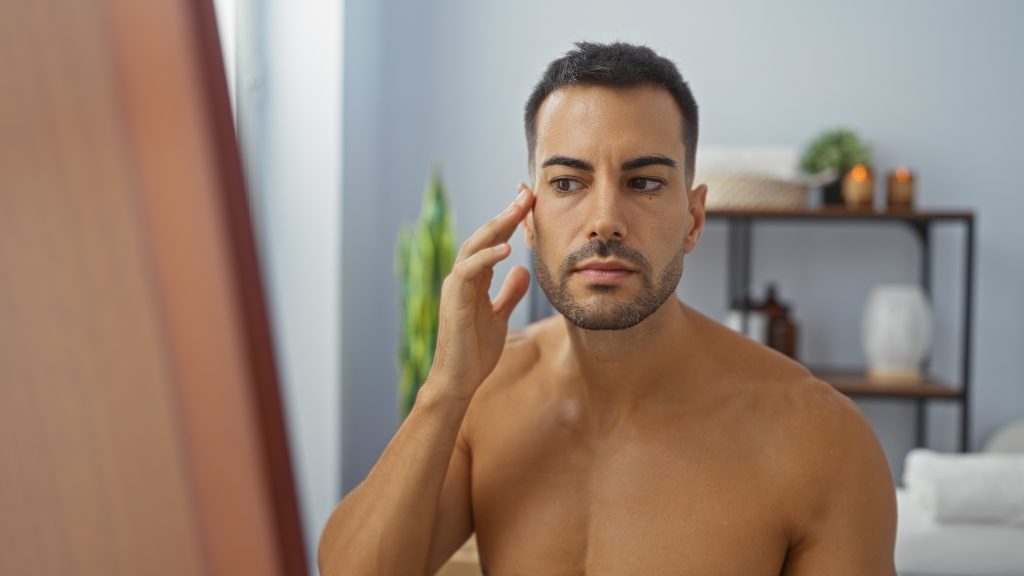
Even if you see your dermatologist once a year, it’s helpful to get into the habit of performing monthly self-skin exams at home. These quick checks allow you to become familiar with your skin so you’re more likely to notice when something new appears or when an existing spot starts to change.
Self-exams don’t need to be complicated or time-consuming. The key is simply taking a few minutes to look over your skin.
Start With Good Lighting
Choose a well-lit room where you can easily see your skin. A full-length mirror works best, and having a handheld mirror nearby can help you check areas that are harder to see, like your back or the backs of your legs.
Check Your Skin Area by Area
Rather than trying to examine everything all at once, move through your body step by step. This helps ensure nothing gets overlooked.
Be sure to check:
- Your face and ears
- Your scalp (using a comb or fingers to part your hair)
- Your chest and abdomen
- Your back and shoulders
- Your arms, hands, and underarms
- Your legs and feet, including between your toes
- Your buttocks and genital area
Many skin cancers develop in areas people rarely think to check, which is why being thorough is so helpful.
Know What Changes to Watch For
As you examine your skin, pay attention to anything that looks new, different, or unusual compared to the surrounding skin. Some of the most common warning signs include:
- New moles or growths
- Spots that are changing in size, shape, or color
- Sores that don’t seem to heal
- Areas that itch, bleed, or feel tender
- Spots that simply look different from others on your body
If something catches your attention, it doesn’t automatically mean it’s dangerous, but it’s always a good idea to have it evaluated by a dermatologist.
Look for Differences in Shape and Edges
Another helpful habit during self-exams is to look closely at the symmetry and borders of moles.
Ask yourself questions like:
- Does one side of the spot look different from the other?
- Are the edges uneven or jagged?
- Are there multiple colors within the same mole?
- Has the spot grown or become raised recently?
These types of changes are worth bringing to your dermatologist’s attention.
The ABCDEs of Spot Awareness
Each letter represents a feature to watch for as you evaluate moles and spots:
A – Asymmetry: One half of the mole doesn’t match the other.
B – Border: The edges appear irregular, blurred, or uneven.
C – Color: The spot contains multiple shades rather than one consistent color.
D – Diameter: The mole is larger than about the size of a pencil eraser, although smaller spots can still be concerning.
E – Evolving: The spot is changing in size, shape, color, or texture over time.
Can Skin Exams Replace Sunscreen and Sun Protection?
Skin exams are incredibly valuable, but they’re only one part of protecting your skin. They don’t replace the need for daily sun protection.
Sun exposure is the leading cause of most skin cancers, so practicing sun safety every day is one of the best things you can do for your skin. That means using a broad-spectrum sunscreen with SPF 30 or higher, wearing protective clothing, seeking shade when possible, and protecting sensitive areas like your face, ears, and scalp.
Think of it this way: sun protection helps prevent damage, while skin exams help detect problems early. Both play an important role in keeping your skin healthy over the long term.
Staying Proactive About Your Skin
Your skin is your body’s largest organ, and it’s constantly giving you signals. Whether through new spots, changes in existing moles, dryness, redness, or irritation, paying attention to these signals and checking in with a dermatologist regularly can make a big difference in your overall skin health.
A simple routine can go a long way:
- Schedule a professional skin exam once a year
- Perform a monthly self-skin check at home
- Practice daily sun protection
- See a dermatologist if you notice anything new, changing, or concerning
Protecting your skin isn’t just something to think about when a problem appears. It’s something you can do proactively, every day, to help keep your skin healthy and safe.
Our team is here to help you stay informed, proactive, and confident in your skin health. Call Florida Dermatology and Skin Cancer Centers at (855) FLD-SKIN to schedule your skin exam today.
About Us
FLDSCC’s team of providers are experts in diagnosing and treating skin cancers; skin conditions and diseases such as eczema, rosacea, dry skin, rashes, and warts; and chronic skin diseases and infections, while simultaneously tackling aging skin, wound care, and a multitude of other skin, hair, and nail concerns.
Several FLDSCC providers are fellowship-trained in Mohs micrographic surgery, an effective state-of-the-art treatment for most types of skin cancers. Mohs surgery involves minimal discomfort and encourages the greatest preservation of healthy tissue, which means less risk of scarring and superior cosmetic results.
FLDSCC has many convenient locations throughout the state. For more information, visit www.fldscc.com, or call (855) FLD-SKIN.