

National Eczema Month: 10 Ways to Help Manage Flare-Ups
If you have eczema, you know that a flare-up can sometimes seem to come out of nowhere. Your skin may feel perfectly fine one day

Skin Care Tips For Patients With Diabetes
When most people think about managing diabetes, they think about blood sugar levels, diet, and medication. But there’s something that often gets left out of
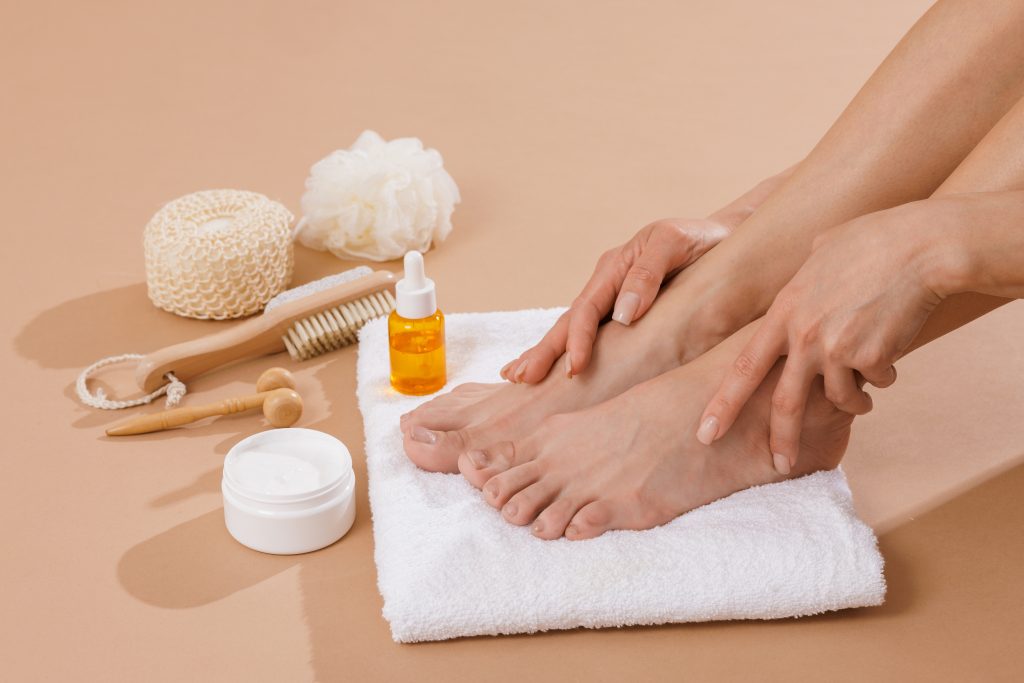
Healthy Nails for the Whole Family: Care Tips & When to See a Dermatologist
For such a small part of your body, nails can say a lot about your overall health. Whether you’re trimming a toddler’s tiny fingernails, a

You Are Not Your Acne: A Letter to Anyone Who’s Struggled
We’d like to acknowledge something that doesn’t get said enough, and that is simply: living with acne is hard. Not just physically, but emotionally, socially,

Back to School Sun Safety: Teaching Families Lifelong Habits
After all the school supplies are purchased and the backpacks are loaded for the first day of school, sun protection is probably the last thing

Sun, Salt, and Chlorine: The Summer Trio Taking a Toll on Your Hair
In Florida, summer doesn’t merely feel like a season. It’s more of a lifestyle. Between the persistent heat, near-daily afternoon downpours, hours spent in chlorinated