Acne isn’t just something that happens during adolescence. In fact, many adults, especially women, develop acne well into their 20s, 30s and beyond. Hormones often play a key role in the development of acne. If your breakouts seem unpredictable, don’t respond well to over-the-counter products, or only happen around certain times of the month, you may be dealing with hormonal acne.
At Florida Dermatology and Skin Cancer Centers, we see patients with hormonal acne on a regular basis. Many don’t understand the reason for their acne, but the truth is that this specific type of acne has a distinct cause and responds best to a tailored plan that addresses both the surface symptoms and the hormonal influences underneath.
Let’s walk through what hormonal acne is, how you can recognize it, how we diagnose it in our clinics, what treatment options are available, and what kind of timeline you can expect when you start a treatment plan to see results.
What Is Hormonal Acne?
Hormonal acne is acne that’s influenced by changes or fluctuations in hormones, particularly androgens, which include hormones like testosterone. Fluctuations in estrogen, progesterone and cortisol can also contribute. These hormones stimulate the oil glands in your skin, and that excess oil connects with bacteria on the pores of your skin. When this happens, pores are more likely to clog, inflammation increases, and acne can develop as a result.
While we often associate acne with the teenage years, hormonal acne frequently shows up in adulthood. It can begin in your 20s or 30s, and for women, return after pregnancy, or even appear for the first time during perimenopause or menopause. Hormonal acne can also flare when starting, stopping, or switching birth control.
It’s important to understand that hormonal acne isn’t caused by poor hygiene or doing something wrong with your skin care routine. It happens from the inside out, which is why it often requires more than just over-the-counter products to get it under control.
Signs and Symptoms: How Hormonal Acne Typically Shows Up
Hormonal acne tends to follow certain patterns; and recognizing them can be incredibly helpful.
Where it appears:
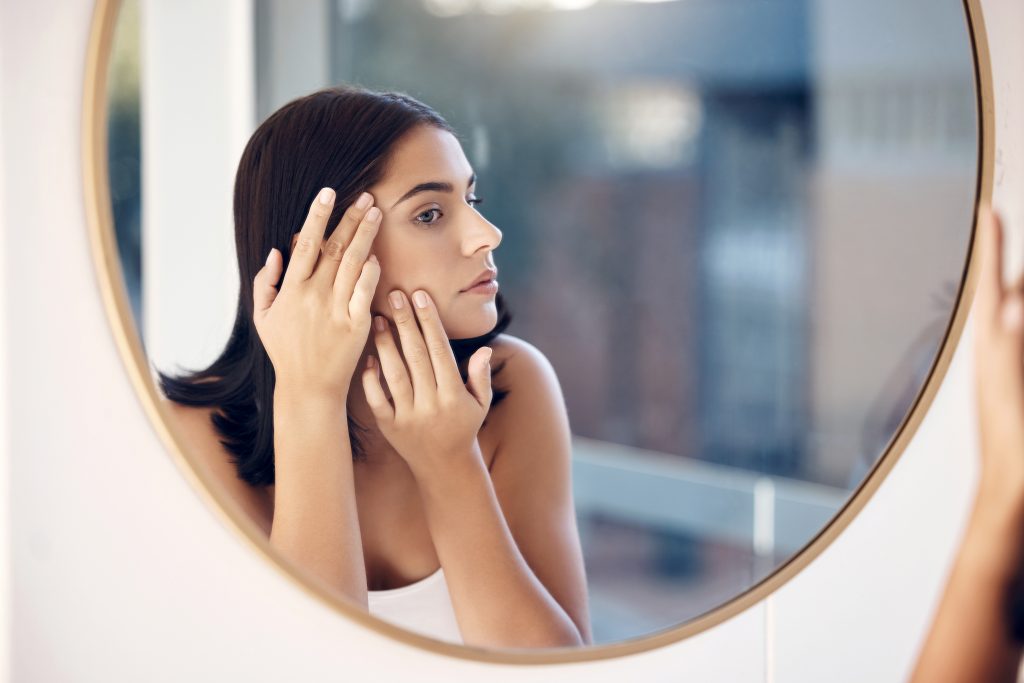
Most commonly, hormonal acne affects the lower face, especially the chin, jawline, and along the sides of the mouth. It can also show up on the neck, chest, shoulders, or back. These areas are particularly sensitive to hormonal stimulation of oil glands.
What it looks and feels like:
Hormonal acne often includes:
- Deep, tender bumps under the skin
- Painful cysts or nodules that linger
- Inflamed red pimples that take longer to heal
- Breakouts that seem to group rather than show up in isolated spots
These breakouts are often sore to the touch and can feel more stubborn than typical whiteheads or blackheads.
When it flares:
A big clue is timing. Many female patients notice their acne flares in the days or week leading up to their menstrual cycle. Others see changes during pregnancy, postpartum, or during times of high stress. Even if breakouts aren’t perfectly cyclical, hormonal influence may still be present.
How Hormonal Acne Is Diagnosed
Diagnosis for hormonal acne comes from looking at your symptoms, lifestyle, and history wholistically.
Your skin exam:
We look at where your acne is appearing, the types of lesions present, and how inflamed the skin looks. Jawline-predominant acne with deeper, painful breakouts often points toward a hormonal component.
Your history:
This is just as important as the exam. For women, we’ll talk about:
- Menstrual cycles and timing of flares
- Pregnancy history or menopause
- Birth control use
- Other symptoms of hormonal imbalance, such as excess hair growth or irregular periods
- Past acne treatments and how your skin responded
When testing is helpful:
In some cases, especially if acne is severe or accompanied by other symptoms, bloodwork or further evaluation may be recommended to rule out conditions like polycystic ovary syndrome (PCOS), a common disorder that affects hormones in women. Often, though, we can diagnose hormonal acne clinically without extensive testing.
At-Home Care to Support Your Skin
While hormonal acne usually needs professional treatment, your daily routine still matters. The goal at home is to support your skin and not add further overwhelm to it.
Consistent skin care:
Using a mild, non-comedogenic cleanser twice daily can help remove excess oil without stripping the skin. Over-cleansing or harsh scrubs can actually worsen inflammation and lead to more breakouts.
Topical treatments like retinoids, benzoyl peroxide, or azelaic acid can help keep pores clear and reduce inflammation. These work best when used consistently and as part of a larger treatment plan.
Daily sunscreen is also essential, especially when using acne treatments, as it helps prevent dark marks and uneven skin tone as acne heals.
Lifestyle considerations:
Stress, sleep, and overall health play a role in skin inflammation. While diet alone doesn’t cause hormonal acne, managing stress and maintaining balanced nutrition can support the health of your skin. Some of our patients find mild improvement with dietary changes, but these should be viewed as complementary and not primary treatments.
Addressing the Root Cause with Professional Treatment Options
Because hormonal acne is driven by internal changes, professional treatment often focuses on regulating oil production, calming inflammation, and preventing pores from becoming clogged in the first place. Prescription-strength topical treatments can play an important role by helping normalize skin cell turnover, reduce inflammation, and support clearer pores over time. These treatments are typically more effective and better tailored than over-the-counter options, especially for acne that keeps returning in the same areas.
In many cases, treatment may also include therapies that address the hormonal influence itself. These therapies work by reducing the effect of hormone fluctuations on the oil glands, which can significantly decrease the frequency and severity of breakouts. When acne is more widespread or inflamed, oral prescriptions may be used to help calm the skin from the inside out.
In-office care can also be part of the plan, whether that means calming painful cysts, supporting healing, or helping prevent long-term scarring. The goal is always to create a personalized, balanced approach that treats active acne while supporting long-term skin health and stability.
How Long Does Treatment Take? What to Expect
This is one of the most important conversations we have with patients.
Hormonal acne improves gradually and not overnight. In the first few weeks, your skin may feel different or even appear worse as treatments begin to work. By about 6 to 8 weeks, many patients start noticing fewer new breakouts. More significant improvement typically occurs around the 3-month mark.
Long-term control often requires ongoing maintenance, especially when hormones continue to fluctuate. The good news is that once we find the right plan for your skin, results tend to be stable and more predictable.
Your Next Steps
Hormonal acne can feel discouraging, especially when it shows up later in life or doesn’t respond to what’s worked in the past. But understanding the why behind your breakouts is empowering, and it opens the door to targeted, effective treatment.
If you’re dealing with persistent acne along the jawline, painful cysts, or breakouts that seem tied to your cycle, a dermatology visit can make all the difference. Together, we can create a plan that treats your skin and supports your confidence.
About Us
FLDSCC’s team of providers are experts in diagnosing and treating skin cancers; skin conditions and diseases such as eczema, rosacea, dry skin, rashes, and warts; and chronic skin diseases and infections, while simultaneously tackling aging skin, wound care, and a multitude of other skin, hair, and nail concerns.
Several FLDSCC providers are fellowship-trained in Mohs micrographic surgery, an effective state-of-the-art treatment for most types of skin cancers. Mohs surgery involves minimal discomfort and encourages the greatest preservation of healthy tissue, which means less risk of scarring and superior cosmetic results.
FLDSCC has many convenient locations throughout the state. For more information, visit www.fldscc.com, or call (855) FLD-SKIN.