At Florida Dermatology and Skin Cancer Centers, we often hear our patients complain about having sensitive skin. While having sensitive skin can be highly frustrating, the term “sensitive” can turn into a catch-all for skin that easily reacts to certain triggers. What most patients describe as having sensitive skin is actually reactive skin. While the two are closely related and can overlap, they are not the same thing, and understanding this can make a difference in how your skin is evaluated, treated, and cared for long-term.
We’ve put together the following information to help you better understand what sensitive skin and reactive skin really mean, why the distinction matters, and what diagnostic and treatment options are available when your skin seems to “overreact.”
What Is Sensitive Skin?
Sensitive skin is best thought of as a chronic state of heightened reactivity. People with sensitive skin experience an overall increase in sensations such as burning, stinging, itching, or tightness in response to stimuli that most people tolerate without issue. In many cases, the skin may look relatively normal, even though it feels uncomfortable.
Sensitive skin is extremely common and can affect people of all ages and skin types. For some, symptoms are mild and manageable. For others, they are persistent and irritating.
Common Characteristics of Sensitive Skin:
People with sensitive skin often notice:
- Frequent burning or stinging when applying skin care products
- Continual dryness, tightness, or itchiness
- Discomfort after cleansing, showering, or being outdoors
- Redness that comes and goes without a clear cause
- A feeling that their skin is easily overwhelmed
One of the defining features of sensitive skin is that these sensations tend to be present on a regular basis, not just during flareups.
Why Having Sensitive Skin Occurs
Sensitive skin is usually linked to a weakened skin barrier. The outermost layer of the skin is designed to keep moisture in and irritants out. When that barrier is compromised, pollutants can penetrate more easily, and nerve endings in the skin become more easily stimulated.
Contributing factors may include:
- Genetics
- Chronic dryness or over-cleansing
- Overuse of certain ingredients
- Environmental exposures (sun, wind, pollution)
- Underlying inflammatory skin conditions
What Is Reactive Skin?
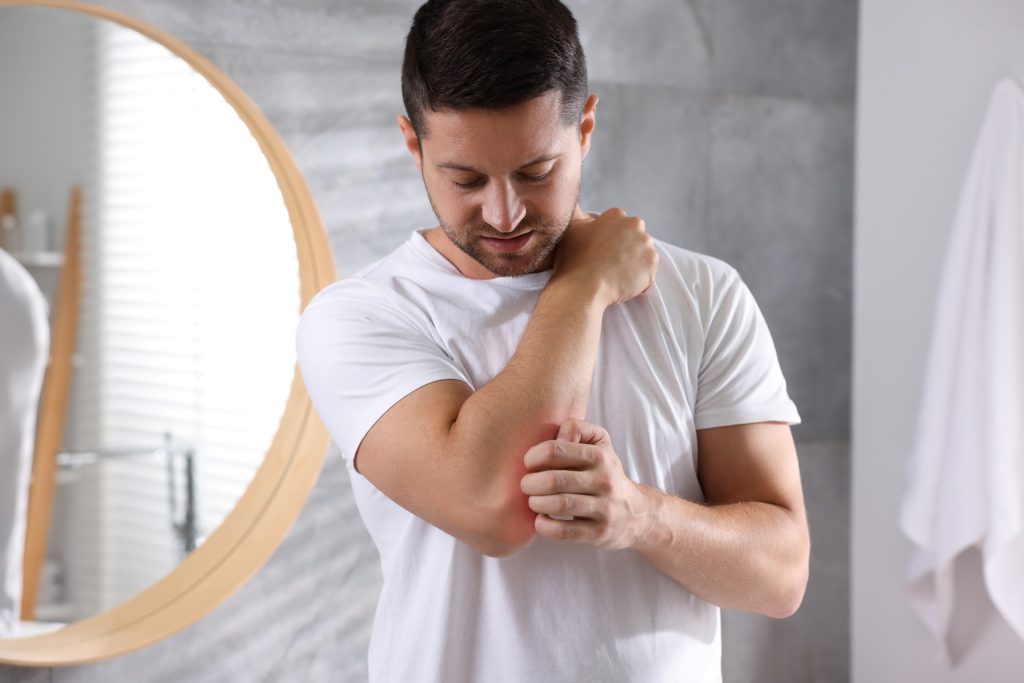
Reactive skin refers to skin that responds strongly and visibly to specific triggers but may feel completely normal the rest of the time. Unlike sensitive skin, reactive skin is not defined by constant discomfort, it is defined by episodes.
People with reactive skin often describe sudden redness, burning, or irritation that appears quickly after contact with a product, environmental change, or stressor. Once the trigger is removed and the skin is stable again, symptoms typically resolve.
Common Characteristics of Reactive Skin
People with reactive skin often notice:
- Sudden flushing or redness
- Burning or stinging shortly after exposure to a trigger
- Temporary itching or irritation
- Skin that looks and feels normal between episodes
The key distinction is that reactive skin is trigger-dependent. When the trigger is avoided, the skin usually behaves normally.
Common Triggers for Reactive Skin
Triggers vary from person to person, but often include:
- Certain skin care ingredients or fragrances
- Strong exfoliants or retinoids
- Temperature changes or wind exposure
- Sun exposure
- Emotional stress
- Dermatologic procedures
Key Differences Between Sensitive Skin and Reactive Skin
Our patients often ask which type of skin they have: sensitive or reactive? While the two can overlap, there are important patterns that help differentiate them.
How Skin Feels Day to Day
- Sensitive skin tends to feel uncomfortable most of the time. There is often a persistent baseline of tightness, dryness, burning, or itching, even without obvious triggers.
- Reactive skin usually feels comfortable when it is not flaring. Symptoms appear suddenly after a specific exposure and then settle down.
What Causes Symptoms
- Sensitive skin reacts broadly. Many everyday exposures such as fragrance, weather changes, cleansing, or stress, may provoke discomfort.
- Reactive skin reacts selectively. One or more specific triggers reliably cause flareups.
What You Can See
- Sensitive skin may not show obvious visual changes, even when sensations are significant.
- Reactive skin often shows visible redness, flushing, or irritation during episodes.
How Long Symptoms Last
- Sensitive skin symptoms tend to be ongoing or recurrent.
- Reactive skin symptoms are usually temporary and resolve once the trigger is addressed.
Understanding these differences allows us to create a personalized treatment plan for our patients to ensure they get the best care for their skin condition.
Can You Have Both Sensitive and Reactive Skin?
Yes! This is more common than many people may realize.
Some patients have a chronically weakened skin barrier and experience strong reactions to specific triggers. In these cases, the skin may feel sensitive on a daily basis and still develop noticeable outbreaks when exposed to certain products, procedures, or environmental factors.
When both patterns are present, management often requires a two-part approach:
- Strengthening and maintaining the skin barrier long-term
- Identifying and avoiding individual triggers that cause flareups
This is one reason why evaluation by a dermatologist is so helpful and necessary. What works for one person with sensitive or reactive skin may not work for another.
How Dermatologists Diagnose Sensitive vs. Reactive Skin
There is no single test that definitively labels skin as sensitive or reactive. Diagnosis is clinical and based on a thorough evaluation.
This typically includes:
- A detailed history of symptoms and triggers
- Examination of the skin barrier and redness patterns
- Ruling out conditions such as eczema, rosacea, or allergic contact dermatitis
- Testing as it relates to suspected allergic reactions
The goal is to understand why the skin is reacting and to help repair it, not just to suppress symptoms.
Treatment and Management Options
For both sensitive and reactive skin, barrier repair is foundational. This often includes the use of:
- Gentle, fragrance-free cleansers
- Moisturizers with ceramides, glycerin, or hyaluronic acid
- Simplified routines that avoid unnecessary irritation
For reactive skin in particular, recognizing patterns is key. Introducing new products slowly and avoiding known irritants can significantly reduce the onset of symptoms.
Ingredients such as retinoids, exfoliating acids, and vitamin C can be beneficial, but often need to be introduced slowly, or avoided altogether, in sensitive or reactive skin.
Dermatologists may recommend calming ingredients or prescription therapies, such as:
- Colloidal oatmeal or barrier-supporting creams
- Short-term topical anti-inflammatory medications
- Non-steroidal options for longer-term control when appropriate
Both sensitive and reactive skin need the right care. With professional guidance, even highly reactive or sensitive skin can be restored and kept comfortable. If your skin frequently feels uncomfortable, unpredictable, or difficult to manage, an evaluation with Florida Dermatology and Skin Cancer Centers can help clarify what’s truly happening beneath the surface and create a personalized plan for you.
About Us
FLDSCC’s team of providers are experts in diagnosing and treating skin cancers; skin conditions and diseases such as eczema, rosacea, dry skin, rashes, and warts; and chronic skin diseases and infections, while simultaneously tackling aging skin, wound care, and a multitude of other skin, hair, and nail concerns.
Several FLDSCC providers are fellowship-trained in Mohs micrographic surgery, an effective state-of-the-art treatment for most types of skin cancers. Mohs surgery involves minimal discomfort and encourages the greatest preservation of healthy tissue, which means less risk of scarring and superior cosmetic results.
FLDSCC has many convenient locations throughout the state. For more information, visit www.fldscc.com, or call (855) FLD-SKIN.