As we begin another new year, many of us are thinking about resolutions. Whether you’ve already made them as a way to kick off 2026, or you’re still thinking about what to consider, one of the most impactful health goals you can set for yourself this year is making sun safety a consistent part of your life. Your skin is your body’s largest organ, so taking care of it naturally improves your wellbeing.
Skin cancer is one of the most common types of cancer in the United States. According to the Skin Cancer Foundation, one in five Americans will develop the disease in their lifetime. The sun’s ultraviolet (UV) rays are one of the biggest contributors to premature aging and skin cancer risk. However, there is good news – skin cancer can be prevented through consistent sun protection and early detection.
Here are five practical strategies to help keep your skin healthy throughout 2026 and beyond.
1. Shield Your Skin Daily
Sun safety begins by limiting UV exposure whenever possible. Sunlight produces two main types of UV radiation: UVA and UVB rays. Both of these can damage skin cells and contribute to skin cancer. Although society often thinks of sun protection as something to focus on mainly in the summertime, UV rays are present year-round. They can penetrate clouds and reflect off surfaces like water, sand, and even concrete, increasing cumulative exposure.
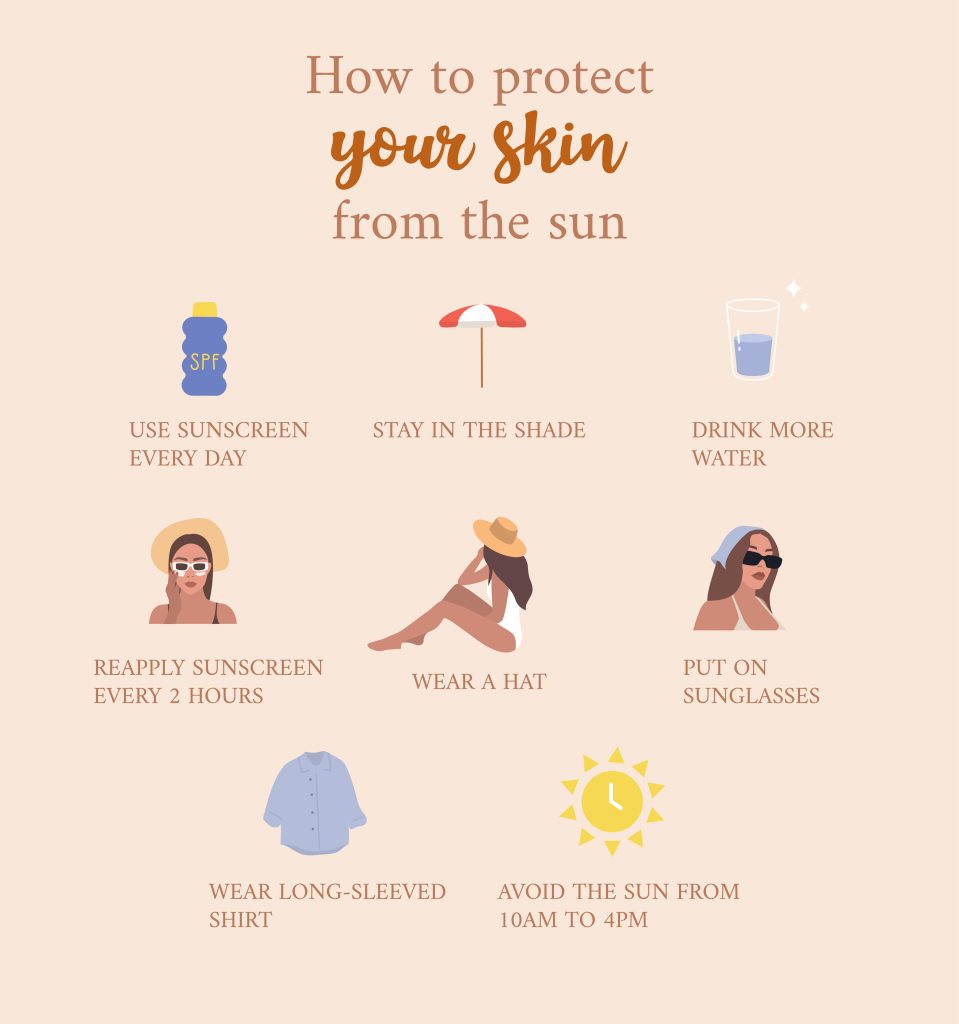
One of the most effective ways to reduce UV exposure is by wearing protective clothing:
- Lightweight long sleeves and pants made of tightly woven fabric (think denim or polyester).
- Wide-brimmed hats that shade your face, ears, and neck
- UV-blocking sunglasses to protect both your eyes and the delicate skin around them
Clothing with a high Ultraviolet Protection Factor (UPF) provides an added level of defense by reducing the amount of UV that reaches your skin. Pairing protective clothing with other sun safety builds a comprehensive defense against harmful rays all year long.
2. Make Sunscreen a Non-Negotiable Part of Your Routine
Daily sunscreen use is one of the most powerful habits you can adopt to minimize skin cancer risk and premature aging. Research shows that consistent application of broad-spectrum sunscreen, which blocks both UVA and UVB rays, helps reduce the long-term risk of melanoma and other skin cancers.
Here’s how to use sunscreen effectively:
- Apply a broad-spectrum sunscreen with an SPF of 30 or higher every day, even on cloudy or cool days.
- Cover all exposed areas, including often-missed spots like your ears, lips, neck, and tops of your feet.
- Apply your sunscreen about 15-30 minutes before going outdoors.
- Reapply every two hours, and more often if you’re swimming or sweating. If you plan to be outdoors for the day, consider sunscreen with an SPF of 50 or higher.
Whether you prefer lotions, creams, gels, or sprays, find a formula you enjoy wearing. The best sunscreen is the one you actually use consistently.
3. Have Your Skin Checked
Early detection is critical in catching skin cancer when it’s most treatable. Many skin cancers can be cured if identified early, before they penetrate deeper areas or spread.
Once a month, you should examine your skin and look for anything new, unusual, or changing. With a head-to-toe skin check, you can spot:
- New growths
- Moles that change in color or size
- Spots that itch, bleed, or don’t heal
If you notice any of the above, schedule an appointment with your dermatologist right away, as early evaluation can make all the difference. In addition to monthly self-exams, schedule a skin exam with a dermatology expert at least once a year. A trained clinician can assess areas that are hard to see and identify subtle changes that may need treatment.
4. Be Strategic About Your Sun Exposure
One of the simplest and most overlooked ways to reduce UV exposure is paying attention to when you’re in the sun. UV rays are strongest between 10 a.m. and 4 p.m. During these hours, unprotected skin can experience damage more quickly than many people realize.
This doesn’t mean you need to avoid outdoor activities altogether. Instead, think strategically:
- Plan walks, workouts, and outdoor errands for earlier in the morning or later in the afternoon when UV intensity is lower.
- Seek shade whenever possible under umbrellas, trees, or covered walkways.
- Remember that reflective surfaces like sand, water, and pavement can intensify UV exposure even when you’re not in direct sunlight.
Being mindful of timing adds another layer of protection, especially for those who spend a lot of time outdoors for work or recreation. Limiting your time in direct sunlight, combined with sunscreen and protective clothing can significantly reduce UV damage over time.
5. Model and Encourage Sun-Smart Habits for the Whole Family
Sun safety isn’t just a personal habit; it’s a family one. Many skin cancers are linked to sun exposure that begin early in life, making childhood and adolescence critical for prevention. Establishing sun-smart routines at a young age helps reduce long-term risk and sets the foundation for lifelong skin health.
Some ways to encourage sun-safe habits at home include:
- Applying sunscreen together before outdoor activities so it becomes routine.
- Choosing UPF-rated clothing and wide-brimmed hats for children and teens.
- Teaching kids the risks of sunburn and how to prevent it.
- Leading by example and consistently practicing sun safety in your household in front of your children.
Encouraging your family members to schedule routine skin exams can also make a meaningful difference. Skin cancer can affect anyone, regardless of age or skin tone, and having open conversations about prevention and early detection helps normalize proactive care.
Why These Strategies Matter
Even brief, unprotected exposure to UV radiation can damage your skin’s DNA over time. This damage accumulates year after year, increasing the risk of skin cancer while also contributing to premature aging.
If you already use sunscreen daily, that’s a great foundation. Consider strengthening your routine by incorporating protective clothing, being mindful of peak sun hours, or scheduling your annual skin exam if you haven’t already. If you’re just beginning your journey to better skin health, start small. Building consistency with sunscreen use and skin exams can make a meaningful difference over time, and our team is here to support you every step of the way.
At Florida Dermatology and Skin Cancer Centers, education and prevention are at the core of what we do. Make 2026 the year you take proactive steps toward healthier skin. If you have questions about sun protection, sunscreen selection, or would like to schedule a full-body skin exam, we’re here for you. We believe early detection and prevention remain some of the most powerful tools we have in skin cancer care.
About Us
FLDSCC’s team of providers are experts in diagnosing and treating skin cancers; skin conditions and diseases such as eczema, rosacea, dry skin, rashes, and warts; and chronic skin diseases and infections, while simultaneously tackling aging skin, wound care, and a multitude of other skin, hair, and nail concerns.
Several FLDSCC providers are fellowship-trained in Mohs micrographic surgery, an effective state-of-the-art treatment for most types of skin cancers. Mohs surgery involves minimal discomfort and encourages the greatest preservation of healthy tissue, which means less risk of scarring and superior cosmetic results.
FLDSCC has many convenient locations throughout the state. For more information, visit www.fldscc.com, or call (855) FLD-SKIN.