For such a small part of your body, nails can say a lot about your overall health. Whether you’re trimming a toddler’s tiny fingernails, a man who figures nail care isn’t really his thing, or a woman navigating the right polish choice, good nail hygiene is for everyone.
At Florida Dermatology and Skin Cancer Centers (FLDSCC), we see nail-related concerns every day. From infections and ingrown nails to early signs of systemic disease – many people don’t realize that most nail concerns are entirely preventable with the right habits.
Nail Care 101
Your nails give us a lot of detail to your wellbeing. Discoloration, unusual thickness, ridges, or slow growth can signal nutritional deficiencies, fungal infections, thyroid issues, or even cardiovascular problems. Beyond that, poorly maintained nails harbor bacteria and fungi, cause painful ingrown nails, and can lead to infections that spread to surrounding skin and tissue. Keeping nails clean and trimmed reduces illness transmission, prevents hangnails and ingrown nails, and helps catch early warning signs before they become serious.
Essential Do’s and Don’ts for Everyone
These basics apply across the board for men, women, and kids alike.
Do’s:
- Trim fingernails every 1 to 2 weeks; toenails every 4 to 6 weeks. To reduce the risk of splitting, you can clip your nails after a bath or shower when they are softer.
- Cut toenails straight across. Never round the corners, which is the leading cause of ingrown nails.
- File in one direction only. Back-and-forth sawing weakens the nail and causes splitting.
- Moisturize nails and cuticles daily with a hand lotion or cuticle oil containing vitamin E.
- Push cuticles back gently with a rubber-tipped pusher after a warm soak, but never cut them.
- Wear gloves when cleaning, gardening, or doing dishes to protect nails from chemicals and prolonged water exposure.
- Use clean, quality tools and never share them without sterilizing first.
- Inspect nails regularly and see a dermatologist for anything that doesn’t resolve.
Don’ts:
- Cut or clip cuticles. They form a protective seal against bacteria and fungi, and breaking that seal invites infection in.
- Bite or tear nails and hangnails. Instead, snip hangnails cleanly with small scissors.
- Use your nails as tools. Prying and scraping stresses the nail plate and can cause painful breaks or detachment.
- Peel off gel or acrylic nails. Peeling strips layers of the natural nail, leaving it thin and damaged for weeks.
- Keep nails constantly polished without breaks, especially with gel or acrylics, which can thin natural nails over time.
- Cover up nail changes with polish and ignore them. Discoloration, lifting, or thickening are signs that need attention.
Tips by Family Member
For Women
Always apply a base coat before colored polish to prevent staining and extend the life of your manicure. Choose acetone-free remover when possible, as it’s gentler with frequent use. Give nails at least one to two weeks of bare time between gel or acrylic applications to let them recover. If you visit a salon, confirm they use properly sterilized tools – a soak in blue liquid is not true sterilization. Ask about autoclaved instruments and fresh liners in foot baths.
For Men
Nail care is more than just a cosmetic concern; it’s also a hygiene one. Men are at higher risk for toenail fungus and ingrown toenails due to footwear choices, perspiration, and less frequent nail maintenance. Wear moisture-wicking socks and alternate shoes so they dry fully between wears, as damp feet are a breeding ground for fungal infections. A simple unscented hand lotion applied after washing is all you need to prevent cracking, hangnails, and brittle nails. Make a habit of actually looking at your toenails, and don’t dismiss changes as minor injuries.
For Kids
Trim infant and toddler nails right after a bath when they’re softer. Use a baby nail file or soft safety scissors for infants, not adult clippers. Make nail care a predictable weekly routine; consistency reduces resistance over time. Teach kids old enough to wash their own hands to use a gentle brush under their nails, especially before meals and after outdoor play. For nail biters, positive reinforcement and child-safe bitter deterrents can help, as nail biting damages developing nail beds and introduces harmful bacteria.
At-Home Care vs. Professional Care
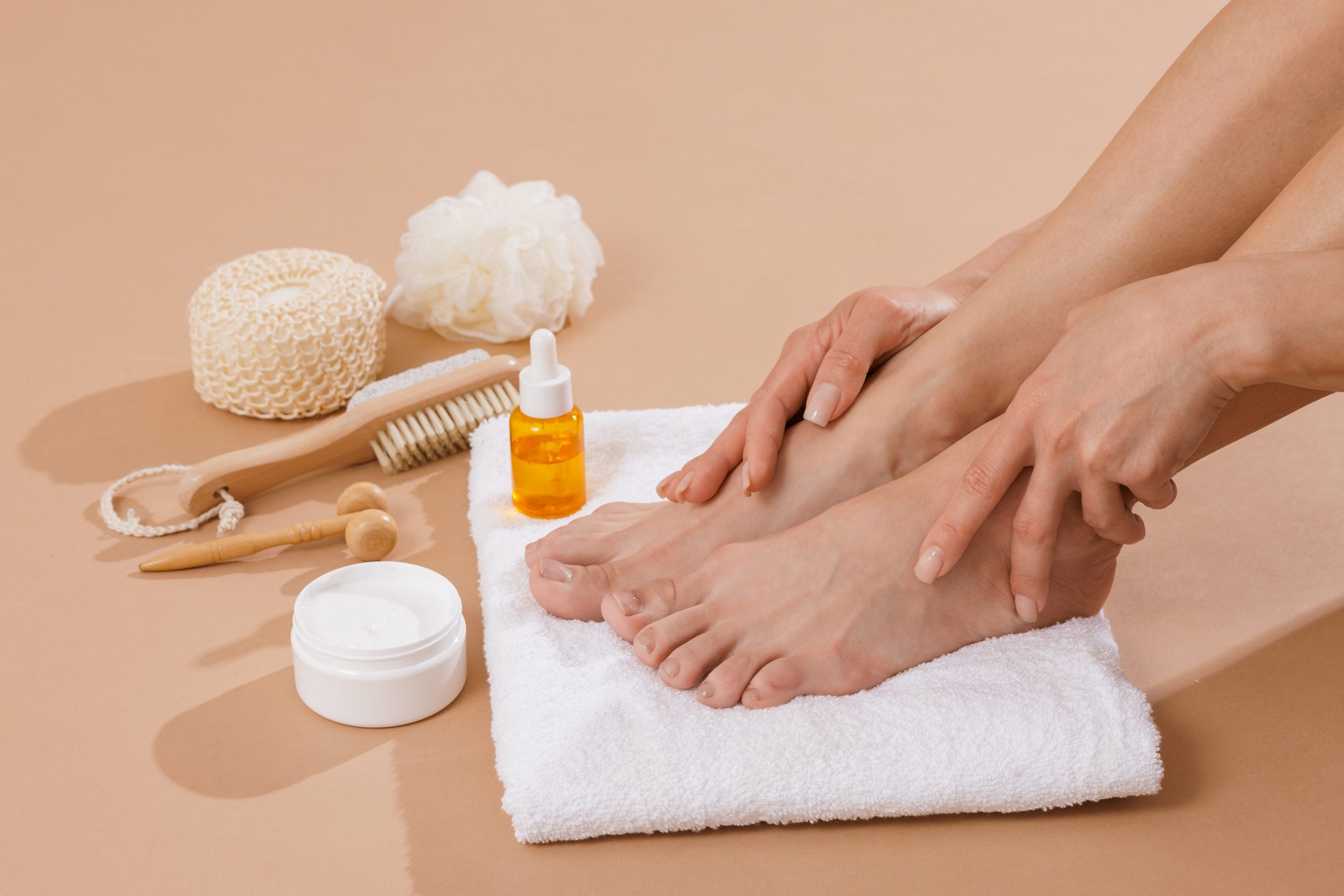
A basic kit with quality clippers, a glass nail file, a cuticle pusher, cuticle oil, and hand lotion is all most families need for day-to-day maintenance.
- Best handled at home: Regular trimming and filing, gentle cuticle pushing after soaking, daily moisturizing, and basic cleaning under the nails.
- Best left to professionals: Gel and acrylic application and removal, ingrown toenail treatment (especially if infected or recurring), diagnosis and treatment of fungal infections, and care for nail biters with significant nail bed damage. When in doubt, a dermatologist is always the right call over a salon for anything medical.
When to See a Dermatologist
Many nail conditions are far easier to treat when caught early.
- Nail Fungus: Yellow, brown, or white discoloration; thickened, brittle, or crumbly nails; nails lifting from the bed; or an unpleasant odor. Fungus rarely clears on its own and spreads easily. Over-the-counter treatments have limited effectiveness, and prescription antifungals are usually needed.
- Ingrown Toenails: Pain, redness, and swelling along the nail edge, often the big toe, sometimes with drainage. Mild cases may respond to warm soaks at home, but infected or recurring ingrown nails need professional care to be removed and prevent recurrence.
- Nail Skin Infection (Paronychia): Redness, swelling, warmth, and pain around the skin bordering the nail, sometimes with pus. Bacteria can spread quickly and may require antibiotics; chronic cases need treatment of the root cause.
- Nail Psoriasis: Pitting on the nail surface, yellowish discoloration, thickening, or nails lifting from the bed. It affects up to 90% of people with skin psoriasis and is frequently mistaken for fungal infection, so an accurate diagnosis is key.
- Dark Streaks Under the Nail: A brown or black vertical band running the length of the nail. While often benign, this can occasionally signal subungual melanoma, a serious form of skin cancer. Any new or changing dark streak should be evaluated promptly by your dermatologist.
- Horizontal Grooves (Beau’s Lines): Indentations running across the nail plate, indicating a disruption in nail growth. May appear months after a triggering event such as high fever, severe illness, or onset of a medical condition.
- Unusual Nail Shape: Nails curving sharply downward with enlarged fingertips (clubbing) can be associated with lung, heart, or liver disease. Nails curving upward like a spoon (koilonychia) may indicate iron-deficiency anemia or thyroid conditions. Both warrant medical evaluation.
Thoughts To Leave You With
Consistency is the magic word when it comes to nail care. Regular trimming, proper cuticle care, daily moisturizing, and using clean tools will prevent the vast majority of problems for your whole family. And when something doesn’t look right, don’t wait and don’t cover it up. Many nail conditions are very treatable when caught early.
At FLDSCC, our dermatology team cares for patients of all ages and is here to help with everything from stubborn fungal infections to concerning nail changes. We’d love to be your family’s partner in skin and nail health.
Ready to schedule an appointment? Contact our office today or visit our website for more information.
*This blog is intended for informational purposes only and does not constitute medical advice. Please consult a licensed dermatologist for diagnosis and treatment of any nail or skin condition.
About Us
FLDSCC’s team of providers are experts in diagnosing and treating skin cancers; skin conditions and diseases such as eczema, acne, rosacea, dry skin, rashes, and warts; and chronic skin diseases and infections, while simultaneously tackling aging skin, wound care, and a multitude of other skin, hair, and nail concerns.
Several FLDSCC providers are fellowship-trained in Mohs micrographic surgery, an effective state-of-the-art treatment for most types of skin cancers. Mohs surgery involves minimal discomfort and encourages the greatest preservation of healthy tissue, which means less risk of scarring and superior cosmetic results.
FLDSCC has many convenient locations throughout the state. For more information, visit www.fldscc.com, or call (855) FLD-SKIN.