There is something almost instinctive about wanting to be outside when the weather is beautiful. A walk in the fresh air, a bike ride through the neighborhood, spending time gardening, or simply sitting beneath a canopy of trees can instantly lift your mood after a stressful day indoors.
For many people, spending time outside feels deeply connected to their mental wellbeing. Research continues to show that outdoor activity can support physical health, reduce stress, improve mood, and encourage overall wellness.
At Florida Dermatology and Skin Cancer Centers, we often hear our patients ask how they can enjoy the outdoors and all of the emotional benefits that come with it, while still protecting their skin from harmful UV exposure. We understand people can feel caught between two extremes: on one side is the idea that all sun exposure should be feared or avoided completely. On the other is the belief that tanning, prolonged sun exposure, or skipping sunscreen is somehow healthier or more “natural.” The reality is, neither of these viewpoints are correct. You can absolutely enjoy outdoor movement, sunshine, fresh air, and nature while still practicing the right kind of sun safety.
The Mood-Boosting Power of the Outdoors
Most people have experienced it firsthand. After spending a lot of time indoors, energy levels can start to drop and motivation might start slumping. After taking a short walk outside, though, you feel rejuvenated and ready to tackle the day all over again. This response is not merely psychological. Exposure to natural light actually helps regulate the body’s internal clock and sleep-wake cycle. Bright outdoor light also influences serotonin, a neurotransmitter associated with mood and emotional balance.
Outdoor activity itself also contributes to emotional wellbeing. Exercise releases endorphins, movement reduces stress hormones, and spending time in nature can create a calming effect on the nervous system. In other words, getting outside is healthy. The key is learning how to enjoy it safely.
Sun Safety Does Not Mean Staying Indoors
One of the biggest misconceptions surrounding sun protection is that practicing sun safety means avoiding outdoor life altogether. This is simply not true.
You can still go hiking, walk the dog, play pickleball, garden, go to the beach, exercise outdoors, or enjoy family activities while protecting your skin. Sun safety is not about avoiding life. It is about reducing unnecessary UV damage while continuing to enjoy the activities you love.
The CDC emphasizes that people can enjoy the benefits of outdoor activity without increasing their skin cancer risk by making sun protection a habit.
What Healthy Outdoor Habits Actually Look Like
While everyone’s schedule, skin type, and lifestyle are different, there are practical ways to balance outdoor wellness with skin protection.
For example:
- Taking walks earlier in the morning or later in the afternoon when UV exposure is lower
- Choosing shaded walking trails or parks with tree coverage
- Wearing lightweight sun-protective clothing during outdoor activities
- Applying a broad-spectrum sunscreen with an SPF 30 or higher daily, even on cloudy days
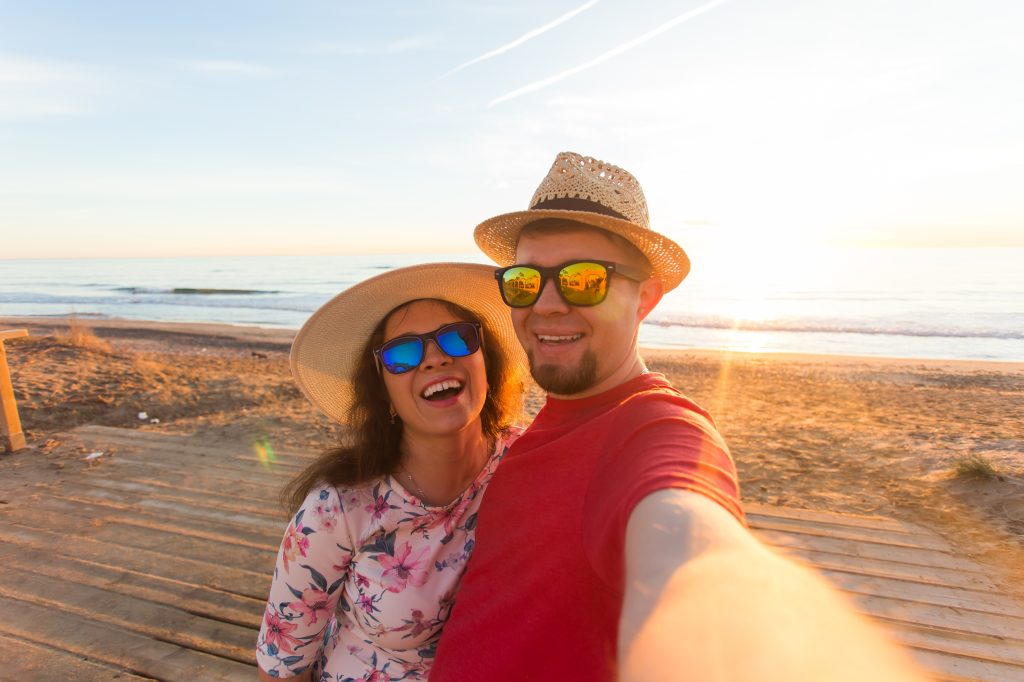
- Wearing hats and sunglasses during outdoor time
- Reapplying sunscreen every two hours when outside for extended periods, or directly after sweating or swimming
- Scheduling breaks in the shade during outdoor sports or activities
These habits allow you to remain active and outdoors without unnecessary overexposure to ultraviolet radiation.
That means you can prioritize your mental health and your skin health at the same time.
The Problem With Tanning
Social media has helped revive certain beauty and wellness trends that can sometimes blur the line between health and skin damage. Phrases like “base tan,” “healthy glow,” or “sun-kissed skin” often make tanning seem harmless. But medically speaking, a tan is actually a visible sign of skin injury.
The CDC states that any change in skin color after UV exposure, whether tanning or burning, indicates skin damage. This distinction is important because many people still associate tanning with vitality, relaxation, or wellness. In reality, cumulative UV exposure contributes to premature aging, sun damage, and increased skin cancer risk over time.
There is a major difference between healthy outdoor living and intentionally overexposing your skin to UV radiation. You do not need to damage your skin to enjoy the outdoors.
Mental Health Matters Too
At the same time, conversations about sun safety should avoid creating fear around being outdoors.
For some people, anxiety surrounding skin damage or aging can become overwhelming and lead to avoiding outdoor activities entirely. Online discussions often reflect this tension, with many individuals expressing fear about spending time outside despite understanding the mental health benefits of sunlight and outdoor movement.
Avoiding all outdoor activities can negatively impact physical health, mood, stress management, and social connection. Fresh air, exercise, nature, and movement remain important parts of overall wellness.
The goal is not perfection. It’s all about balance, and the goal is consistency with smart habits.
Finding the Balance This Summer
As temperatures rise and summer activities increase, this is the perfect time to rethink what “healthy” outdoor living really means.
Healthy living is not staying indoors all season.
Healthy living is not baking in the sun for hours without protection.
Healthy living is finding balance.
Go for the walk. Take the beach trip. Sit outside with friends. Exercise outdoors. Enjoy nature. Prioritize your mental health. Support your mood through movement and fresh air. But remember to bring your sunscreen, hat, sunglasses, and protective clothing, too.
Remember, protecting your skin and enjoying your life can go hand-in-hand!
About Us
FLDSCC’s team of providers are experts in diagnosing and treating skin cancers; skin conditions and diseases such as eczema, acne, rosacea, dry skin, rashes, and warts; and chronic skin diseases and infections, while simultaneously tackling aging skin, wound care, and a multitude of other skin, hair, and nail concerns.
Several FLDSCC providers are fellowship-trained in Mohs micrographic surgery, an effective state-of-the-art treatment for most types of skin cancers. Mohs surgery involves minimal discomfort and encourages the greatest preservation of healthy tissue, which means less risk of scarring and superior cosmetic results.
FLDSCC has many convenient locations throughout the state. For more information, visit www.fldscc.com, or call (855) FLD-SKIN.